Blake Braun · 1 September 2026
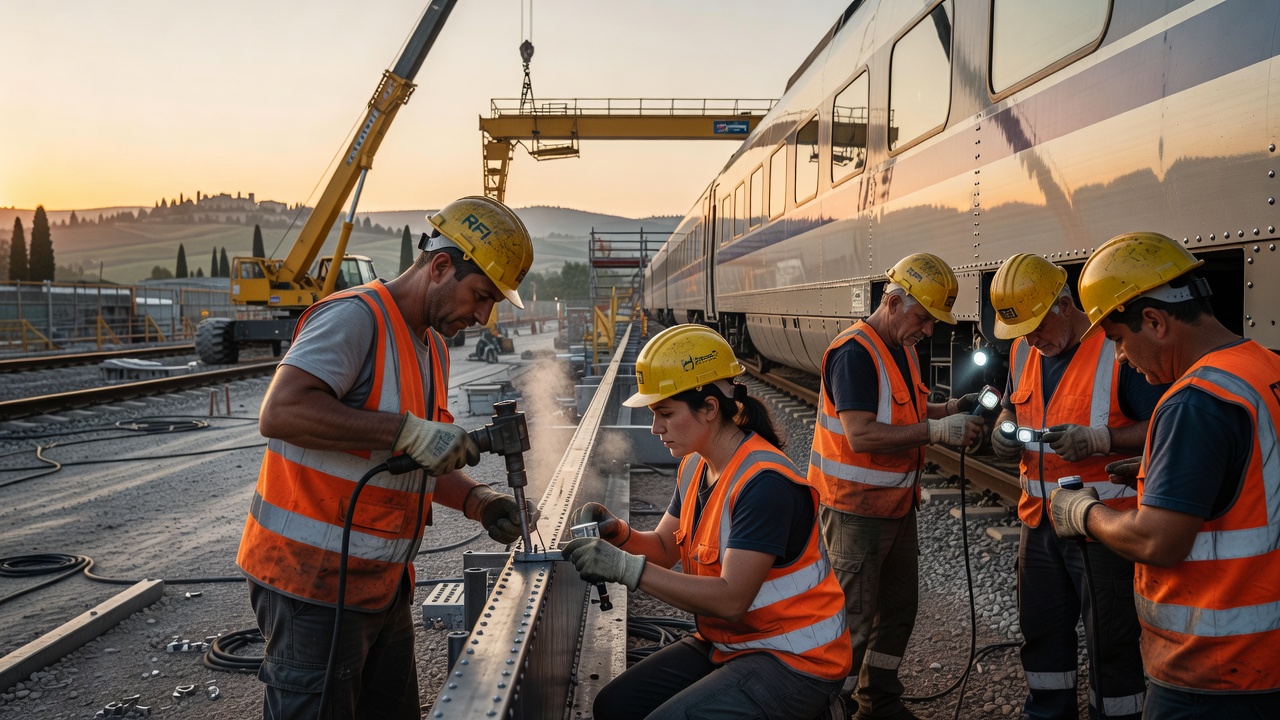
Italian engineering firms are increasingly turning to advanced riveting technologies to support the development of the country's high-speed rail network. This adoption reflects a broader push towards more efficient and reliable construction methods in infrastructure projects. The high-speed rail lines require components that can withstand intense operational stresses over long periods. Recent investments have focused on precision tools that improve joint strength without adding excess weight to tracks and carriages.
Key Advancements in Riveting Technology
Modern riveting tools now incorporate automated processes and high-strength materials such as titanium alloys. These allow for quicker assembly times while maintaining high levels of precision. Engineers report that the new systems reduce the risk of structural failures caused by fatigue in metal joints. Furthermore the techniques enable better integration with composite materials used in contemporary rail designs. Companies involved in these projects have invested significantly in training programs to equip workers with the skills needed for operating sophisticated riveting equipment. The result is a more streamlined workflow that minimizes delays in project timelines. Tests conducted on prototype sections have shown improved performance under high-speed conditions exceeding three hundred kilometers per hour.
Additional sensors embedded in riveting machines provide real-time feedback on force application and alignment accuracy. This data-driven approach helps prevent common errors that previously led to costly rework. Italian manufacturers have also developed eco-friendly coatings for rivets that resist corrosion in varied climates across the peninsula.
Applications in National Rail Expansion
Several ongoing projects benefit from these riveting advancements. The extension of lines connecting major cities like Rome and Naples utilizes the new methods to ensure long-term stability. Similar approaches are being applied in northern regions where mountainous terrain poses additional challenges for rail construction. Collaboration between Italian firms and international partners has accelerated the adoption rate. Data from initial implementations indicate a twenty percent increase in joint durability. This progress supports Italy's goals for sustainable transport solutions by facilitating faster and safer rail travel across the peninsula.
Experts anticipate that continued refinement of these technologies will lead to even greater efficiencies. The focus remains on balancing cost effectiveness with superior engineering standards. As the rail network grows advanced riveting plays a crucial role in maintaining competitive edge in European transportation infrastructure. Regulatory bodies have endorsed the use of these advanced methods following rigorous safety evaluations. This endorsement provides additional momentum for widespread implementation across all major rail initiatives in the country. Overall the transition highlights the innovative spirit within Italian engineering sectors dedicated to improving public infrastructure through specialized fastening solutions.