Frankie Fischer · 1 September 2026
Italian engineering companies are integrating advanced riveting systems into major high-speed rail initiatives to improve structural integrity and assembly efficiency. These methods address the demanding requirements of modern rail infrastructure operating at speeds exceeding 300 kilometers per hour.
Advanced Riveting Technologies in Use
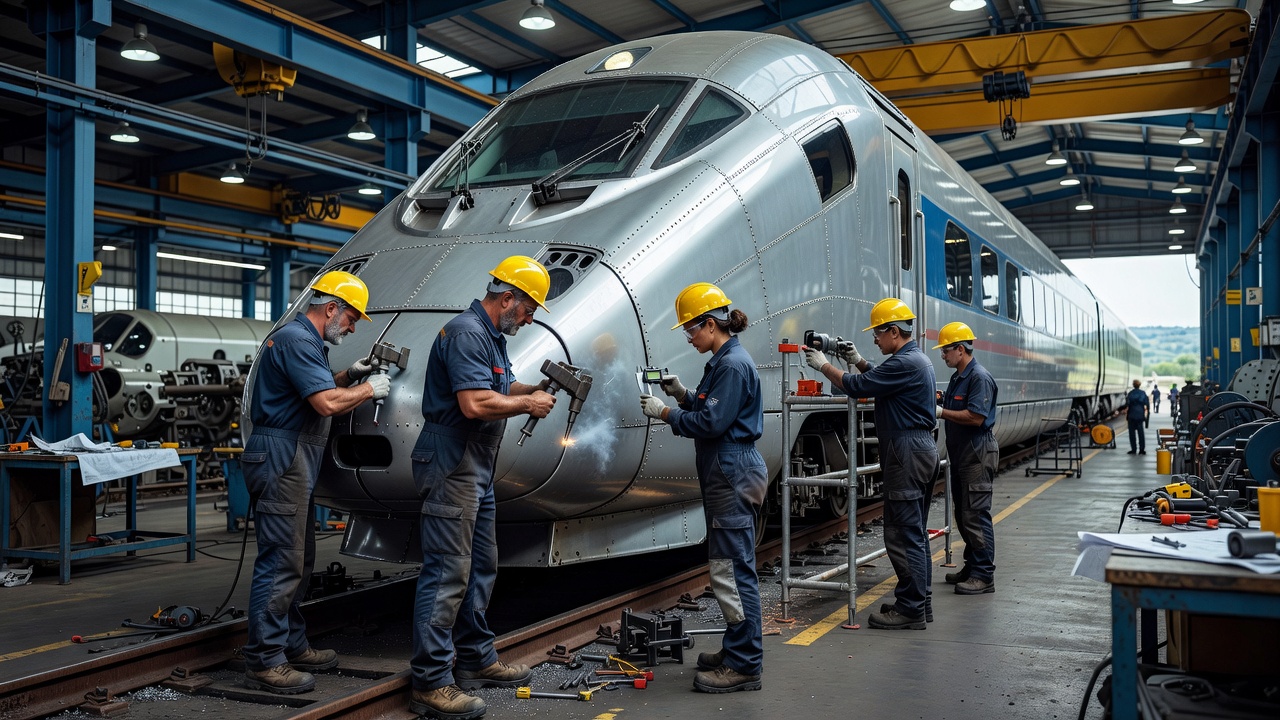
Self-piercing rivets and friction-based joining processes now replace traditional welding in several critical components including aluminum car bodies and steel underframes. Major contractors report reduced thermal distortion and faster production cycles when deploying automated riveting stations supplied by domestic manufacturers. Field tests on the Milan to Rome corridor demonstrated a 25 percent decrease in joint failure rates under cyclic loading conditions typical of high-speed operations. Suppliers have also introduced sensor-equipped rivet guns that monitor insertion force and provide real-time quality data to project managers.
Training programs developed in partnership with technical universities prepare technicians to handle the new equipment. The shift aligns with European Union directives promoting lighter rolling stock that lowers energy consumption while maintaining safety margins. Several consortia have secured contracts that specify these riveting standards for upcoming extensions to Naples and Turin.
Project Outcomes and Industry Impact
Implementation on the Florence to Bologna line yielded measurable gains in schedule adherence because riveting stations require less post-process inspection than welded joints. Cost analyses indicate long-term savings from reduced maintenance intervals and extended service life of trackside structures. Italian firms now export the specialized tooling to rail projects in neighboring countries seeking similar performance improvements.
Environmental assessments highlight lower emissions during assembly since riveting avoids the fumes associated with arc welding. Industry observers note that continued investment in these technologies positions Italy as a leader in sustainable rail construction practices. Ongoing monitoring of installed sections will provide additional data on durability over the next decade.