Tina Meier · 1 September 2026
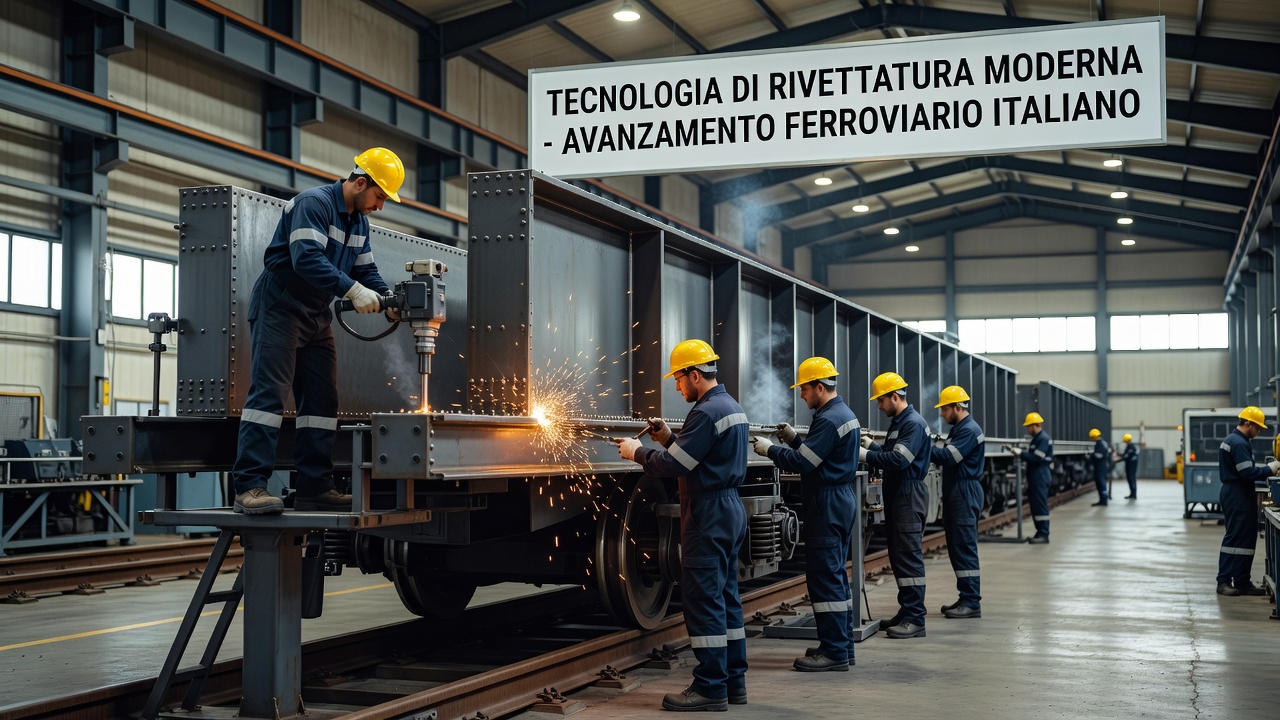
Italian engineering companies are integrating advanced riveting systems into high-speed rail infrastructure projects to meet demanding performance standards. These techniques replace older welding approaches in critical structural joints, delivering improved fatigue resistance and reduced assembly times across major corridors such as Milan to Naples expansions.
Technical Upgrades in Joining Processes
Self-piercing rivets and automated clinching tools now handle aluminum and hybrid steel-aluminum panels used in new train car bodies and track support frames. Engineers report cycle time reductions of up to 40 percent on assembly lines while maintaining joint integrity under dynamic loads exceeding 300 kilometers per hour. Material compatibility testing conducted by Italian research institutes confirms lower corrosion rates compared with traditional fasteners, supporting longer service intervals for viaducts and tunnels.
Robotic riveting cells equipped with real-time force monitoring allow precise placement in confined spaces typical of rail vehicle underframes. Suppliers have scaled production of coated rivets designed for Mediterranean climate conditions, addressing salt exposure near coastal routes. Project data from ongoing works near Bologna indicate a 25 percent drop in rework rates after switching to these methods.
Industry Collaboration and Future Outlook
Partnerships between rail operators and specialist manufacturers have accelerated certification of new riveting protocols under European technical standards. Training programs at technical universities in Turin and Milan focus on simulation software that predicts joint behavior across temperature cycles. Early adoption positions Italian firms to export these practices to international high-speed initiatives in neighboring countries.
Continued refinement of rivet alloys and installation parameters aims to further cut vehicle weight, supporting energy efficiency targets set by national transport authorities. Monitoring systems installed on recently completed sections will provide long-term performance data to guide subsequent design iterations through 2030.